What Is the Cause of Uveitis? And How Can It Be Treated?

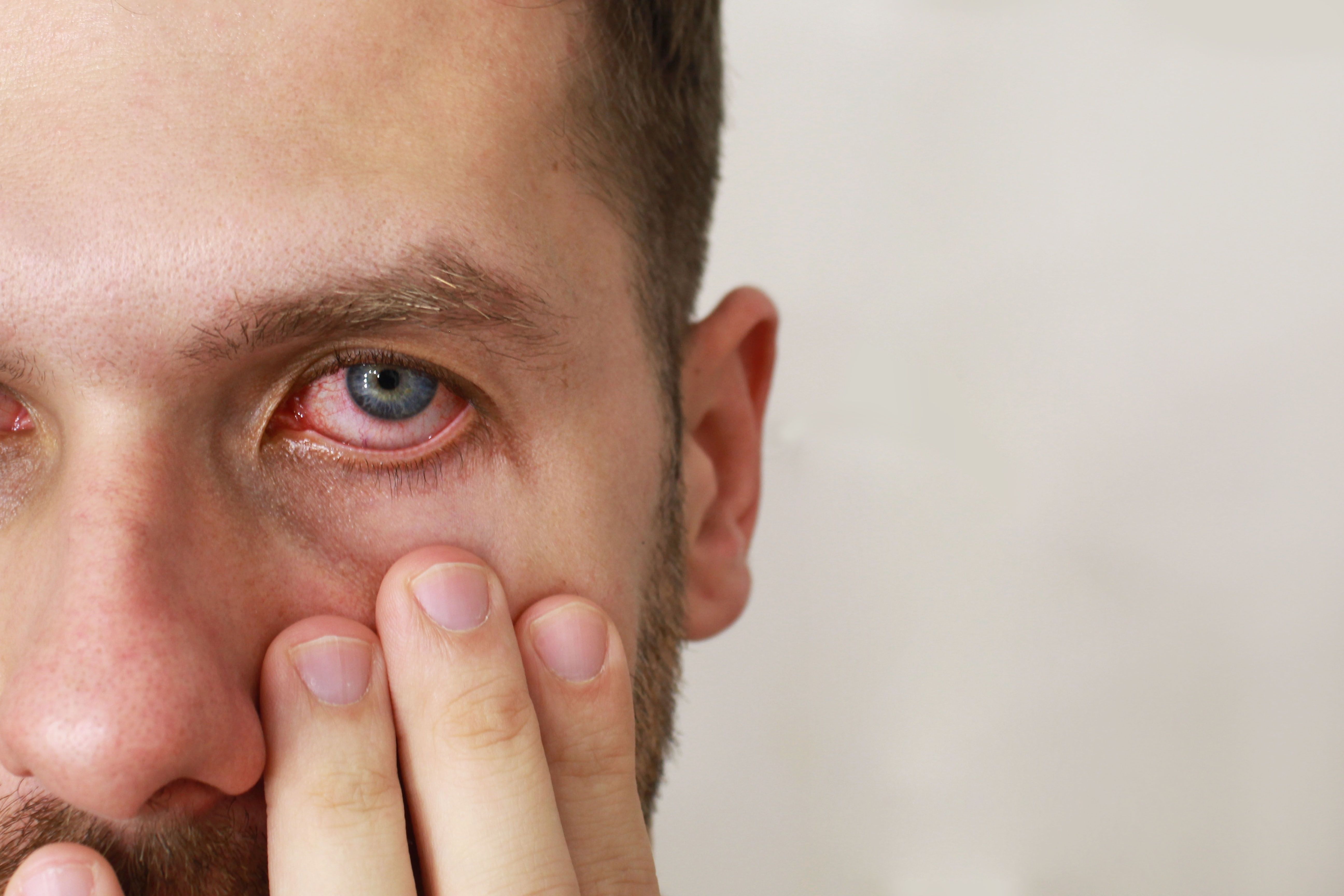
Uveitis is a serious eye condition that can affect people of all ages and, if left untreated, may lead to permanent vision loss. Understanding what uveitis is, what causes it, and how it is treated can help patients recognize symptoms early and seek timely care.
What Is Uveitis?
Uveitis refers to inflammation of the uvea, the middle layer of the eye that includes the iris, ciliary body, and choroid. This inflammation can also affect nearby structures such as the retina, optic nerve, and vitreous fluid. Uveitis may occur suddenly or develop gradually, and symptoms can range from mild discomfort to severe pain and vision changes.
Common symptoms of uveitis include:
• Eye redness
• Eye pain or pressure
• Blurred or decreased vision
• Light sensitivity
• Floaters
• Headaches in some cases
Because these symptoms can resemble other eye conditions, a comprehensive eye exam is essential for accurate diagnosis.
Common Causes of Uveitis
In many cases, the exact cause of uveitis is not immediately known. However, several factors are commonly associated with the condition:
• Autoimmune and inflammatory disorders: Uveitis is often linked to autoimmune diseases where the body’s immune system mistakenly attacks healthy tissue. Conditions such as rheumatoid arthritis, ankylosing spondylitis, lupus, and inflammatory bowel disease can increase the risk.
• Infections: Certain bacterial, viral, fungal, or parasitic infections can trigger uveitis. These may include herpes viruses, tuberculosis, syphilis, or Lyme disease. Identifying an infectious cause is critical, as treatment must address both the infection and the inflammation.
• Eye injuries or trauma: Blunt force trauma, penetrating eye injuries, or complications following eye surgery can lead to inflammation inside the eye.
Why Early Diagnosis Matters
Prompt diagnosis and treatment are critical in managing uveitis. Delayed care can increase the risk of permanent vision damage, while early intervention often leads to better long-term outcomes.
How Is Uveitis Treated?
Treatment for uveitis depends on the cause, severity, and location of the inflammation. The primary goal is to reduce inflammation, relieve symptoms, prevent complications, and preserve vision.
• Anti-inflammatory medications: Corticosteroids are commonly used to control inflammation. These may be prescribed as eye drops, oral medications, injections around the eye, or intravenous therapy in more severe cases.
• Dilating eye drops: These drops help reduce pain caused by muscle spasms in the eye and prevent complications such as scarring of the iris.
• Immunosuppressive or biologic medications: For chronic or autoimmune-related uveitis, medications that regulate the immune system may be recommended to prevent recurrent flare-ups.
• Antibiotics or antiviral medications: If an infection is the underlying cause, appropriate antimicrobial treatment is essential alongside inflammation control.
Get Expert Care for Uveitis
Uveitis is a complex eye condition with many possible causes, ranging from autoimmune disorders to infections and injuries. While it can be serious, uveitis is highly manageable when diagnosed early and treated appropriately. Understanding the symptoms and seeking professional care at the first sign of trouble can make a significant difference in preserving eye health and vision.
If you’re experiencing symptoms of uveitis such as eye pain, redness, light sensitivity, or blurred vision, schedule an eye exam at The Center for Eye Care and Optical today. Visit our office in West Islip, New York, or call (631) 825-7725 to book an appointment.


Contact Information
Office Hours
- Monday 9:00 AM - 6:00 PM
- Tuesday 8:00 AM - 6:00 PM
- Wednesday 8:00 AM - 7:00 PM
- Thursday 8:30 AM - 6:00 PM
- Friday 8:00 AM - 5:00 PM
- Saturday 8:00 AM - 3:00 PM
- Sunday Closed
Optical Store Hours
- Monday 9:00 AM - 6:00 PM
- Tuesday 9:00 AM - 6:00 PM
- Wednesday 9:00 AM - 6:00 PM
- Thursday 9:00 AM - 6:00 PM
- Friday 9:00 AM - 5:00 PM
- Saturday 8:00 AM - 3:00 PM
- Sunday Closed

© 2026 The Center for Eye Care and Optical. All rights Reserved. Accessibility Statement - Privacy Policy - Sitemap
Powered by: